The story of six generations of Family Piollot
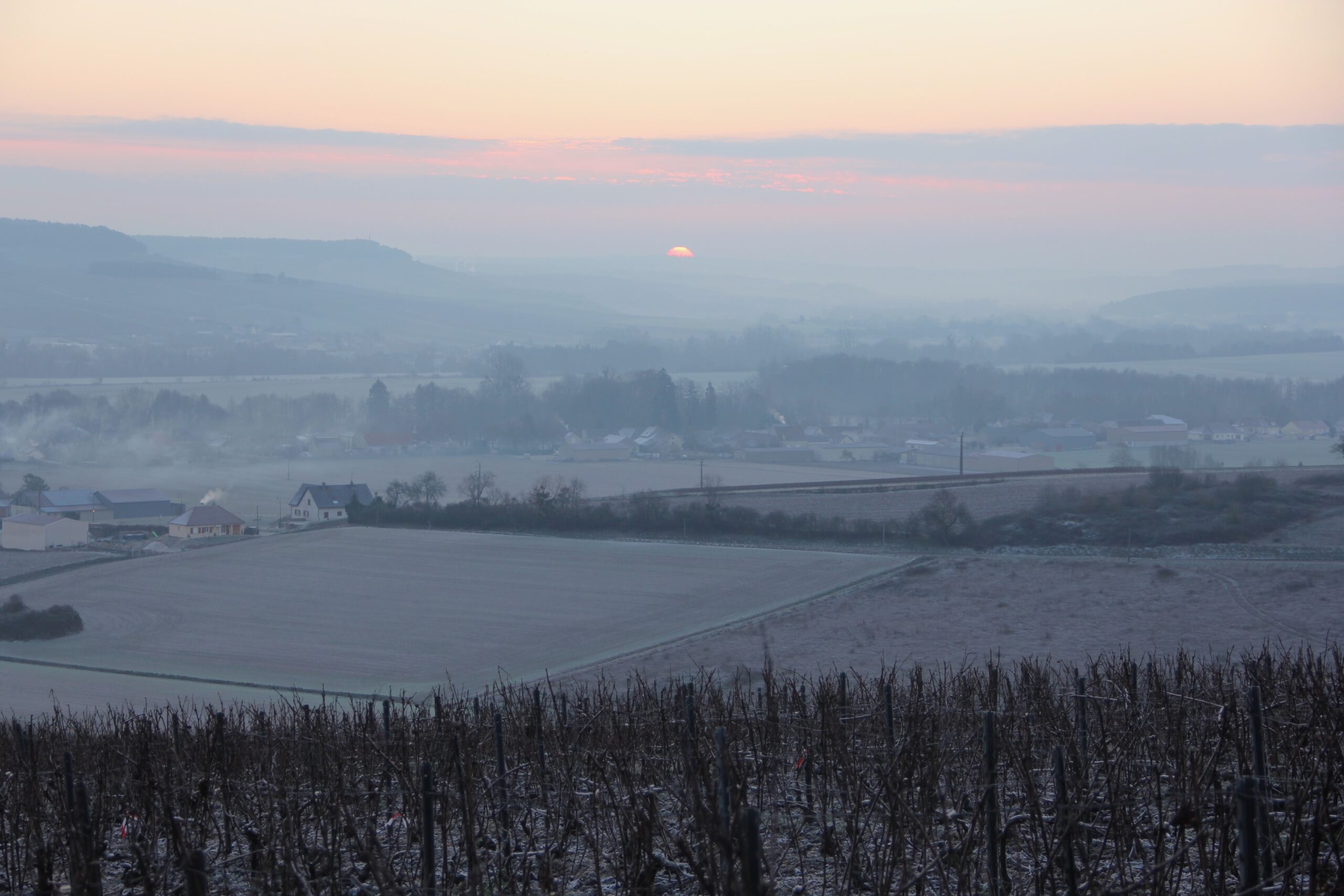
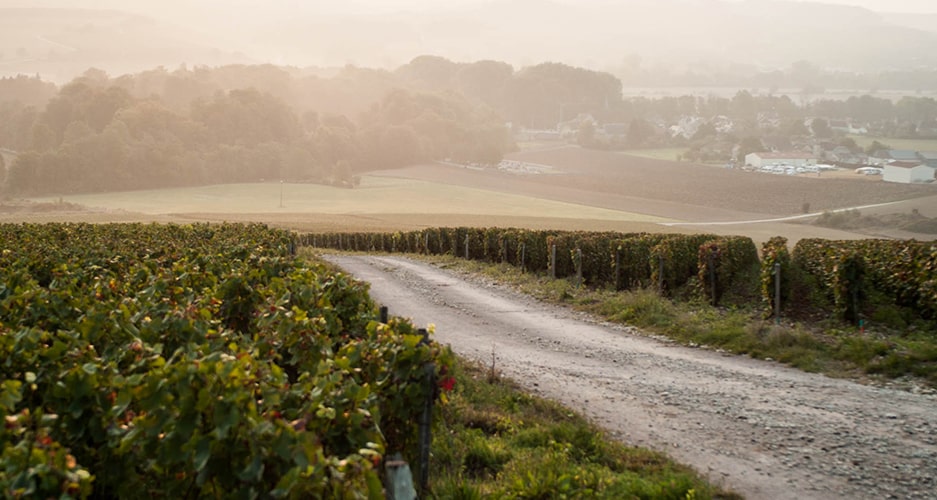
For six generations, our family has cultivated its vines in Polisot, in the Côte des Bar.
In 1986, the fifth generation — Roland Piollot and his wife Dominique Moreau — chose a new direction. After many years of selling their harvest to the local cooperative, they began vinifying the estate’s 8.5 hectares themselves, transforming the family’s role from growers to grower-producers.
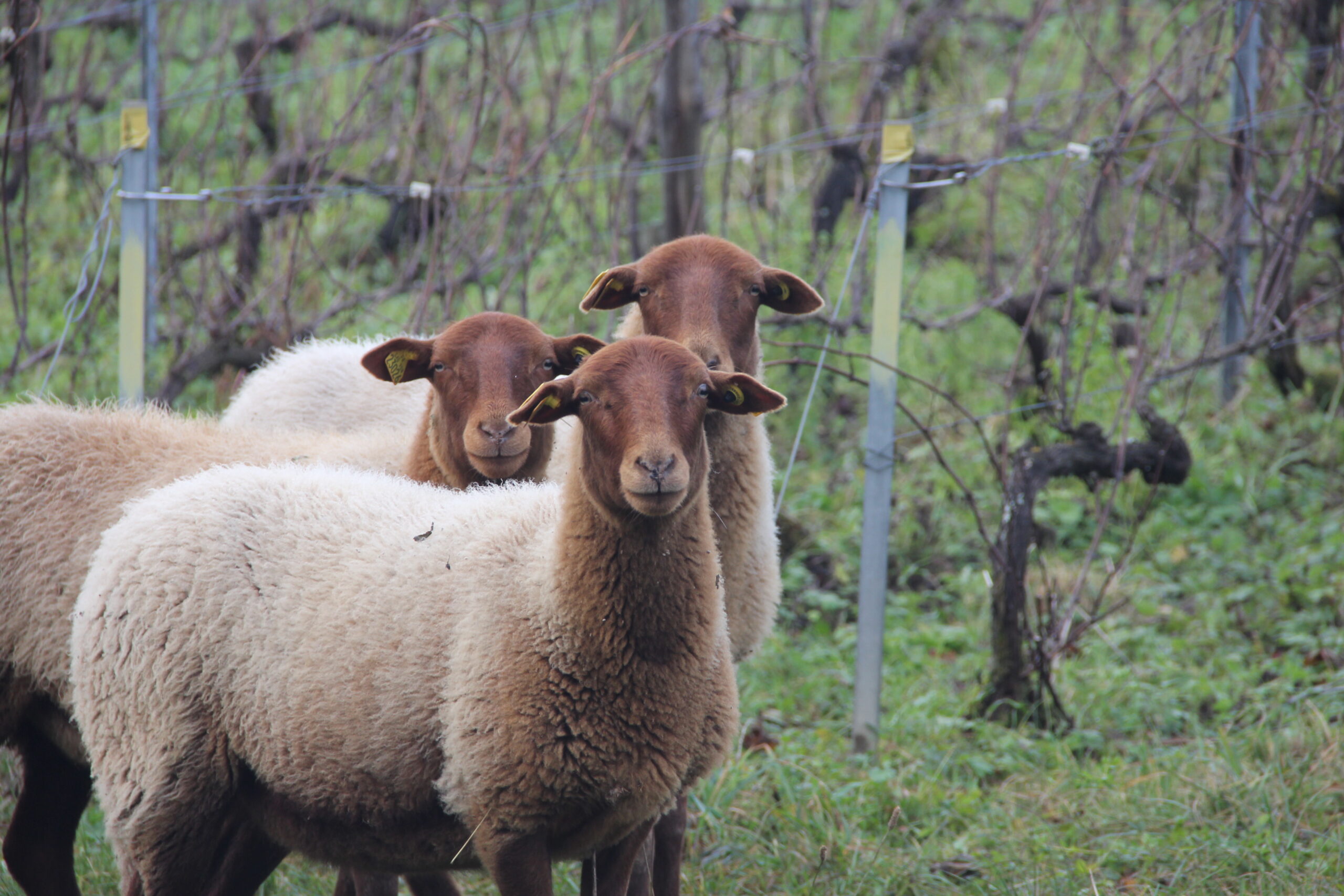
Over the past four decades, the Domaine has continued to evolve. In 2014, we obtained organic certification, followed by Demeter biodynamic certification in 2019. More recently, we have welcomed sheep into our vineyards, naturally managing grasses and herbs between the rows while contributing to the vitality of the soils.
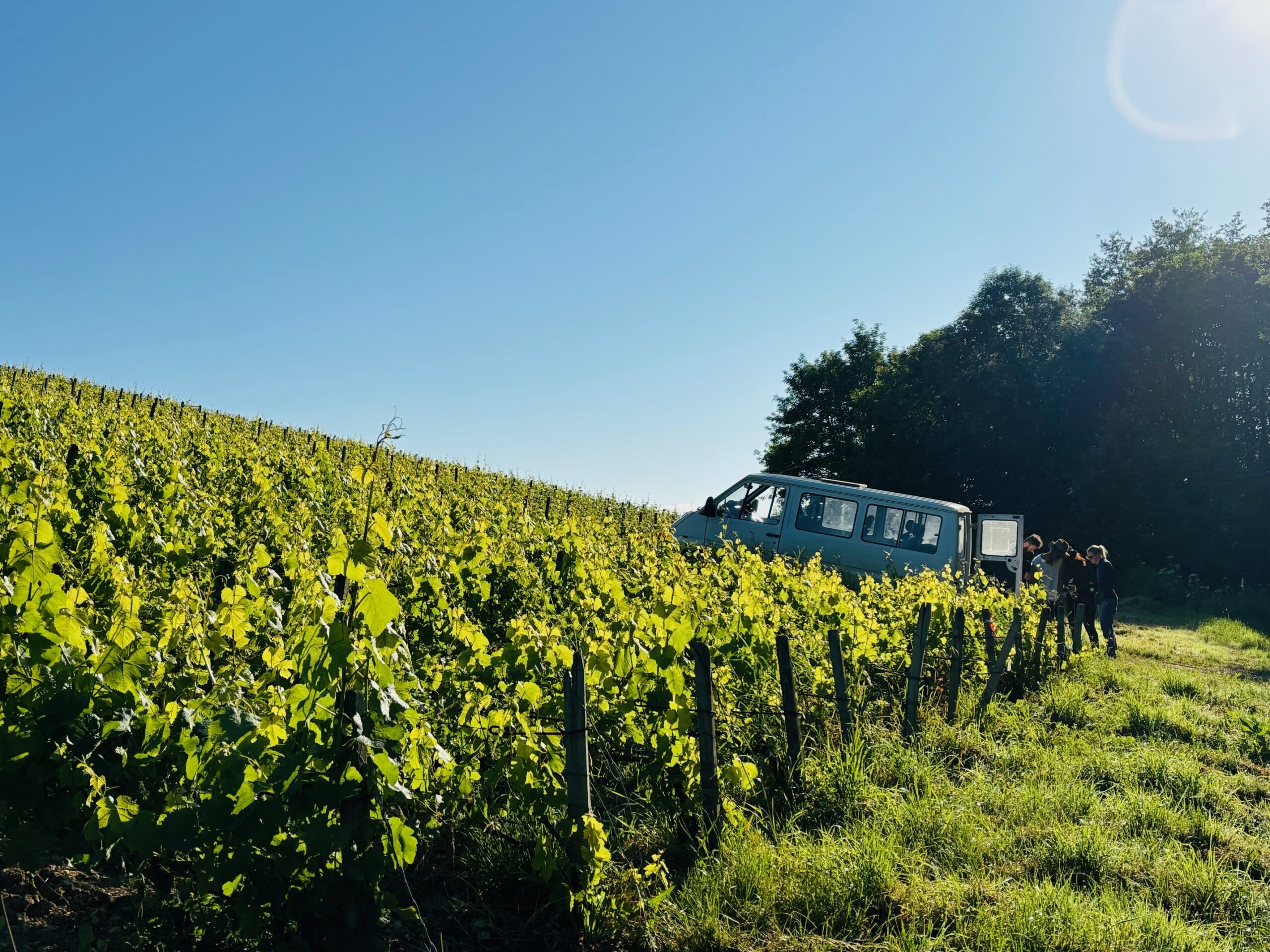
Today, we vinify each parcel separately, allowing our Kimmeridgian / clay and limestone soil and predominantly southern exposure, to reveal themselves.
Our identity
In the cellar, our philosophy remains consistent with our work in the vineyard. Each harvest begins with two pied de cuve — one prepared from Pinot Noir and one from Chardonnay. A pied de cuve is a small volume of freshly pressed juice that is allowed to begin fermenting naturally days before the start of harvest with the indigenous yeasts present on our own grapes. Once this fermentation is active, it is used to initiate the fermentation of the newly pressed juice throughout harvest. This method allows us to rely on the natural yeasts of our vineyard, encouraging a fermentation that is both gentle and true to source.
All our wines both during the stages of alcoholic fermentation and subsequently the malolactic fermentation is completed in stainless steel tanks. This ultimately allows minimal external interference and allows true expression of the grape. From there the wine spends much of its time in steel tanks with some cuvees such as Mepetit age in old oak barrels.
Champagne Piollot predominately works with zero dosage and very low sulphite.
When it comes to our releases – disgorgement is carried out throughout the year, month by month, rather than in one single annual release. This approach allows us to choose the right moment for each cuvée individually. With some of our wines being left to rest on their lees far longer than the minimum required — in some cases for more than five years. Time is an essential part of our work, and we try to use it thoughtfully, allowing each wine to reach its full potential before being released.
Discover the estate